

Kitchen cleaning works best when the participant or authorised person chooses the surfaces and tasks that matter most. Tell Smurfettes what should be cleaned, what must be left alone and when the kitchen can be used safely for the visit. A written quote should distinguish ordinary household cleaning from food preparation, appliance repair and specialist work.
Choose the kitchen areas and actions
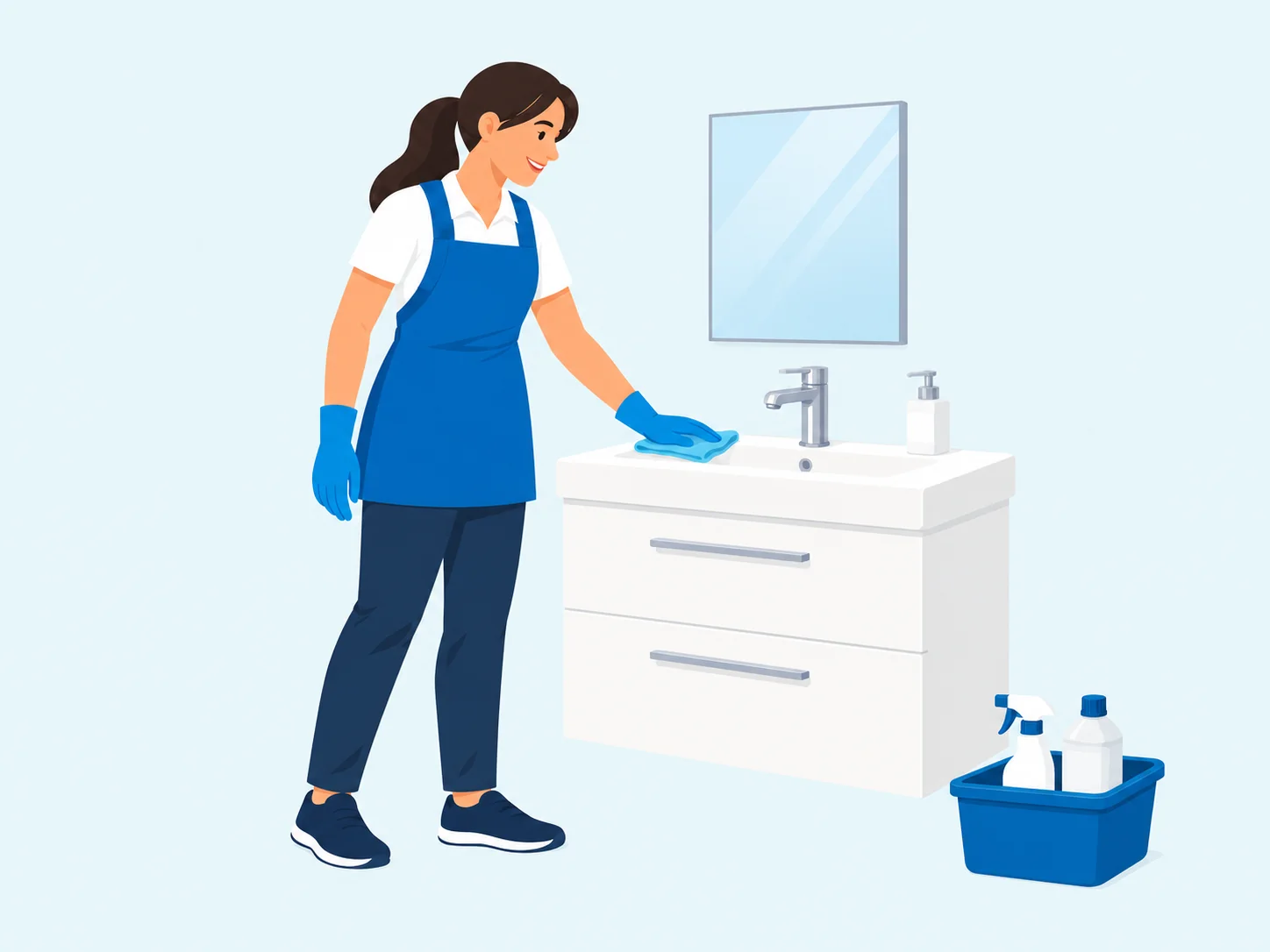
You might ask about reachable benches, the sink, splashback, cupboard exteriors, agreed appliance exteriors and accessible floors. List interiors, filters, tracks or areas behind an appliance separately rather than assuming that “clean the kitchen” includes them. Agree the order of work and where cleaned or moved items should be returned. Keep any preparation surface needed by the participant available during the visit.
For each requested area, give five practical details:
- Item: which exact surface, fixture or floor area is included?
- Condition: what ordinary residue or obstruction is present?
- Action: what cleaning is wanted?
- Restriction: which product, contact or movement must be avoided?
- Return place: where should any item moved with permission go afterward?
These details make it possible to quote each task. The participant or authorised person can ask to reorder, pause or remove one task without reopening unrelated work. Confirm any change to scope, time or price in writing before the affected work proceeds.
Protect surfaces, food and personal items
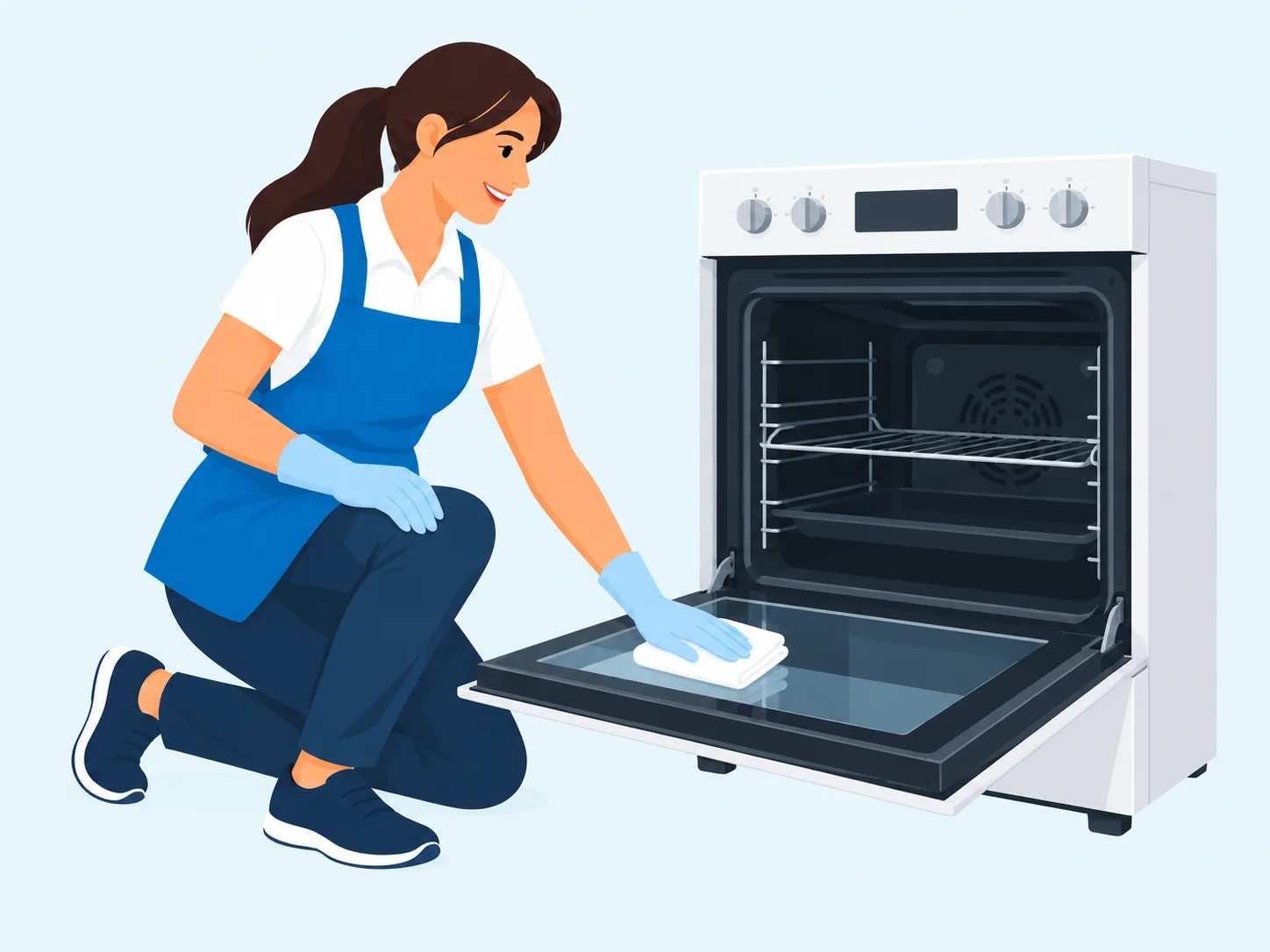
A refrigerator exterior, oven exterior, sink and dry pantry surface can need different methods. Tell us if an appliance is in use, hot, switched off or difficult to reach. Keep electrical controls and sockets dry. Identify stone, timber, stainless steel, coated surfaces and product sensitivities before a method is chosen.
Agree who moves open food, utensils, medicines and personal belongings. Do not discard or reorganise items without the participant’s or authorised person’s agreement; a cleaner should not taste food or decide whether food or medicine is safe. If small items must be moved, choose a temporary place and an agreed return position. Tell the authorised person if something cannot be returned without a personal or clinical decision.
Keep appliance and specialist boundaries clear
Cleaning a reachable exterior is not the same as cleaning inside an oven or refrigerator, pulling out a heavy appliance, disconnecting power, treating grease inside a rangehood or fixing a fault. Interiors, filters and areas behind appliances need separate assessment and agreement. Stop the affected task if it would require unsafe lifting, dismantling, electrical work or work outside the quote.
Routine kitchen cleaning is not pest treatment, mould remediation, biohazard work, clinical infection control, building maintenance or damage repair. Report broken glass, exposed wiring, leaking water, suspected hazardous residue or an unstable appliance. Leave that task alone and continue only with other safe, agreed cleaning.
Plan cleaning around the household
Choose a time that does not interfere unnecessarily with meals, medication routines, support-worker tasks or another person’s use of the kitchen. Keep mobility aids and essential items accessible. In a shared home, distinguish the participant’s items, agreed shared surfaces and another resident’s private areas. Work for someone else is not added without authority.
Check NDIS funding and provider details
Kitchen cleaning must be an NDIS support for this participant, relate to their disability support needs and fit their plan and current rules before NDIS funds are used. Groceries, ordinary food costs, appliance purchases or repairs, tenancy obligations and work solely for other residents are separate. Exit cleaning that is a direct cost of meeting a tenancy agreement is generally excluded from NDIS supports. Limited transitional exceptions may apply to certain existing plans; ask your NDIS contact to check whether an exception applies before booking. If routine disability-related household cleaning is needed around a move, describe it separately and ask the authorised funding contact to check it against the plan.
NDIA-managed funding requires a registered provider for the relevant support. For household cleaning under plan-managed or self-managed funding, participants can generally choose a registered or unregistered provider, subject to current rules and their plan. Provider and invoice steps also differ. Smurfettes Service Pty Ltd is registered for Household Tasks, but registration does not approve an individual task or claim. Ask the participant’s plan manager, support coordinator or NDIS contact to confirm the correct payment path before accepting a funded quote.
Agree changes and check the invoice
Ask for a written quote that names the address, exact kitchen tasks, product or movement restrictions, preferred time, authorised decision-maker, exclusions and price basis. If a new task or method becomes necessary, ask for an updated scope and price before it proceeds. An ongoing visit does not make an unapproved task part of the service.
After the visit, compare the dated service record with the quote and invoice. Check which tasks were completed, deferred or stopped, any approved change, time and price. A task stopped for safety or scope reasons should not be described as completed. Ask for an explanation or correction where the record and charge differ. Keep past records unchanged when planning a new version of the task list.
Share only information needed for the visit
Give the cleaner the relevant task, access and communication preferences, not a diagnosis history or complete plan. Arrange keys, codes and arrival messages through the agreed contact and keep temporary access information secure. Delete it when it is no longer needed.
Related cleaning information
- NDIS household cleaning in Australia
- NDIS bathroom cleaning assistance
- Cleaning services and areas across Australia
Request a written kitchen-cleaning quote
Tell us the address, priority surfaces, current condition, restrictions, access needs and preferred timing. Call 1300 525 336 or email info@smurfettescleaningservice.net. Smurfettes will discuss the proposed work and confirm scope, price, timing and access before a booking is made; an enquiry alone does not confirm funding or an appointment.