

If you self-manage some or all of your NDIS funding, you can choose and pay for household-cleaning support that is an NDIS support under your plan. Before booking, decide which tasks you need, check their fit with your plan and available funding, and ask for a written quote. Keep the records you will need to check the work and any later claim.
Keep five useful records
- Plan check: note why the proposed household tasks relate to your disability support needs and which funding you expect to use. Ask your my NDIS contact or another authorised adviser if you are unsure.
- Cleaning request: list the address, rooms, tasks, frequency, access needs, exclusions and who may approve changes.
- Quote or agreement: keep the provider details, rate, estimated time, separately stated extras and cancellation terms before work is confirmed.
- Visit record: note the date, work actually delivered and any change you agreed.
- Invoice and payment record: check the charge against the visit and keep the invoice, receipt and claim information together.
A dated quote and visit record make it easier to resolve a later question about what was agreed or charged. They do not make an otherwise excluded task fundable.
Check funding and choose a provider
Self-managers can generally choose registered or unregistered providers, although some kinds of support require a registered provider. Check the rule for the actual support, your plan and the provider’s identity and working terms. Smurfettes Service Pty Ltd is registered for Household Tasks on the NDIS Commission register. Registration does not by itself approve an individual task or claim. Ask about experience, complaints, price and the work you want before deciding.
Describe the cleaning at your home
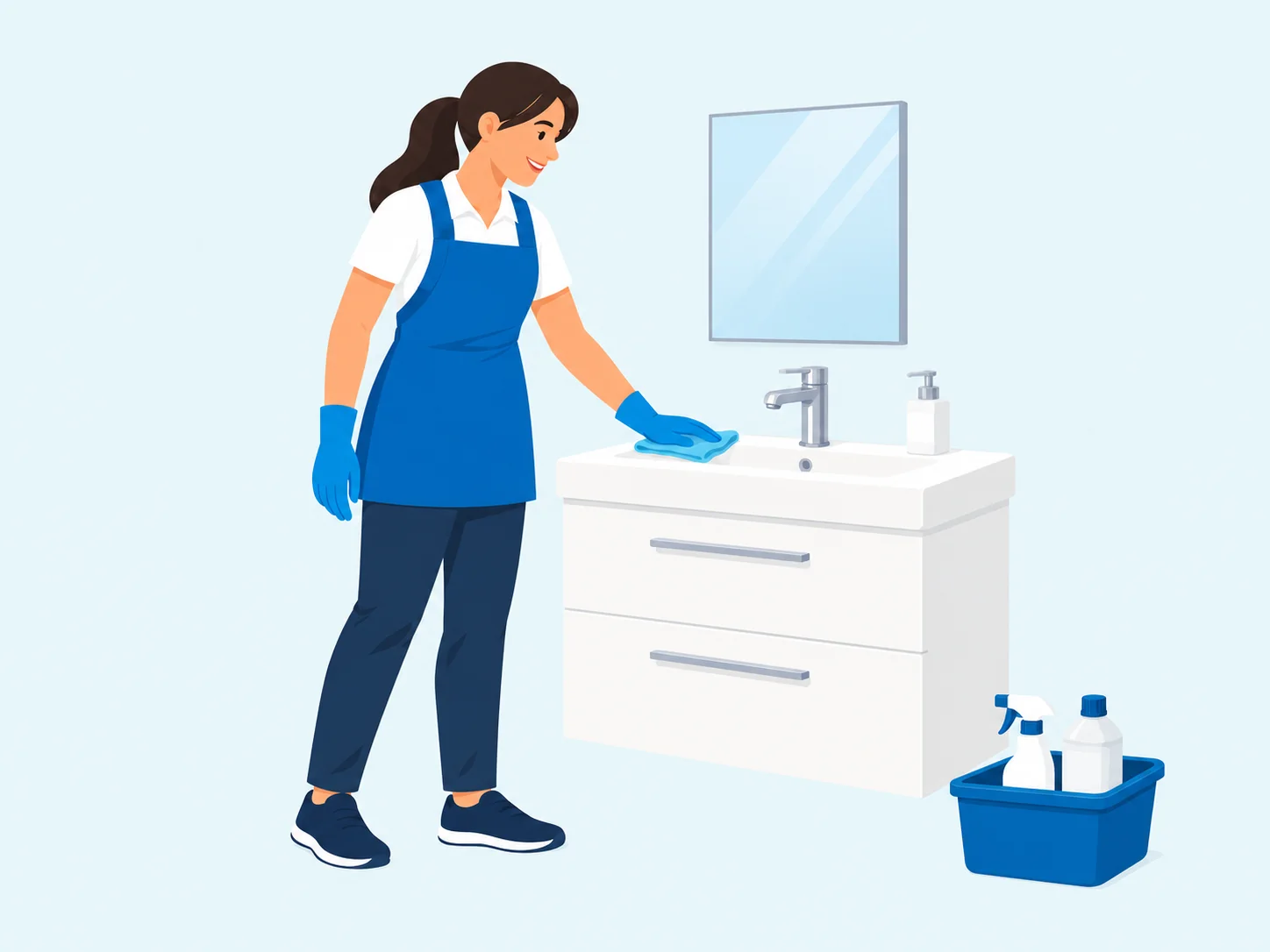
Give the exact service address and name the rooms and ordinary tasks you want considered, such as reachable surface wiping, accessible floor care, standard bathroom or kitchen cleaning, or agreed laundry steps. Say which tasks come first, how often you need a visit, and who may choose priorities if time is limited. Include relevant access, product or equipment instructions, communication preferences, private areas and belongings that should remain untouched. Share only information needed to quote and deliver the work.
Price other work separately
Heavy build-up, mould investigation, biohazards, pest treatment, restoration, repairs, high-access work and other specialist conditions may need a different assessment or service. Property maintenance and landlord duties should not be hidden in a household-cleaning charge. Exit cleaning that is a direct cost of meeting a tenancy agreement is generally excluded from NDIS supports. Limited transitional exceptions may apply to certain existing plans; ask your NDIS contact to check whether an exception applies before booking. If you also need routine disability-related household cleaning around a move, describe it separately and ask your authorised funding contact to check it against your plan before booking. Different kinds of work need clear descriptions and prices.
Check the cost across your plan period
Estimate the number of visits, likely hours or units and any stated travel, parking or other extra charges. Compare that amount with available funding and other supports using the same budget. A price you negotiate is not automatically claimable. Keep checking your spending in the participant portal or my NDIS app as supports are delivered.
Pay using your self-managed arrangement
NDIS guidance describes two approaches after a support has been received: request payment into the self-manager’s account and then pay the provider, or pay the provider first and request reimbursement. Match either request to the delivered support, invoice and payment record. Do not share banking passwords, portal credentials or verification codes with a cleaning provider.
Check the invoice before claiming
- Provider name and ABN, or the recorded reason an ABN was not supplied.
- Service date or start and end dates, support category and a short description of the work delivered.
- Hours or quantity, unit price, total and a tax invoice or receipt showing the transaction.
Compare those details with the agreed tasks and visit record. Ask for a corrected invoice if the date, quantity, price or description does not match. Do not claim work that was not delivered, a private cost included in a general cleaning line, or a charge approved by someone without authority. Contact the NDIA promptly if you find a mistaken claim or payment.
Keep records for five years
Current NDIS self-management guidance says to keep receipts, invoices, support dates, notes and other spending evidence for five years. Paper or digital records should remain readable and connected to the right participant and support. Store only the personal information needed and limit access to authorised people.
Agree changes before they add cost
If the home is in a different condition than expected or someone requests another task, pause that task and ask for the proposed change and its price in writing. Confirm who can approve it before extra work starts. A housemate, worker, property manager or visitor is not automatically authorised to change the participant’s paid support. Other agreed cleaning may continue where it remains safe and authorised.
Related cleaning guides
- NDIS Cleaning in Australia explains the broader household-cleaning service.
- NDIS Bathroom Cleaning Assistance helps describe bathroom tasks.
- NDIS, DVA & Aged Care Cleaning Across Australia lists service and location information.
Request a written quote
Call 1300 525 336 or email info@smurfettescleaningservice.net with your address, rooms, priorities and access needs. Ask for a dated task list, price, possible extras and invoice details. We will confirm the agreed work and an available appointment before booking; you remain responsible for checking plan fit and any claim.