

Ask about indoor cleaning or call 1800 328 982.
Household cleaning focuses on rooms and surfaces. Laundry assistance focuses on clothing and linen. If you need both, list the tasks so Smurfettes can confirm what can be safely included, the time and the written price. Laundry is not automatically included in a cleaning booking, and a quote does not establish that either service can be paid for with NDIS funding.
Cleaning and laundry at a glance
Indoor cleaning tasks
- Cleaning agreed floors and reachable surfaces.
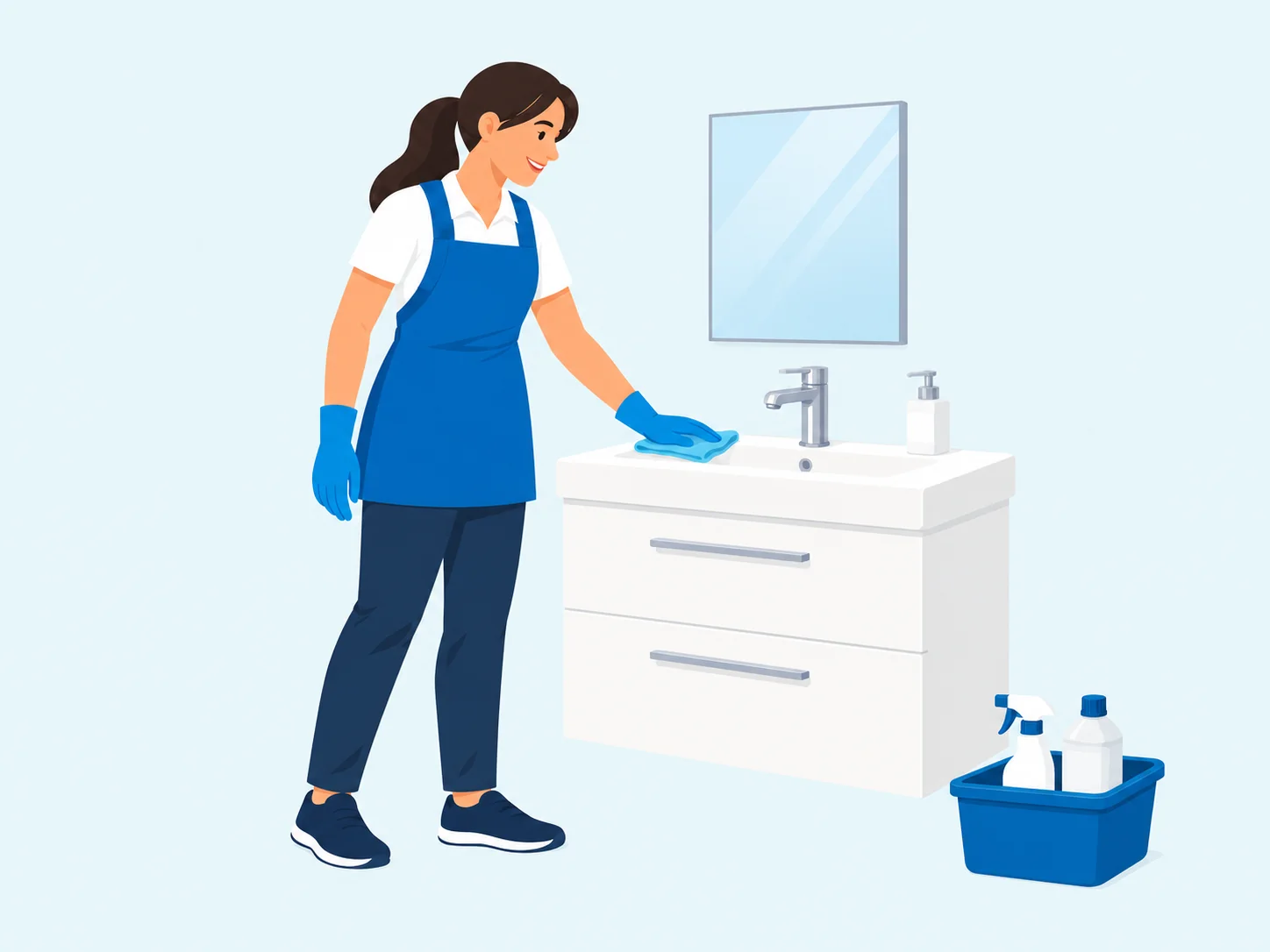
- Cleaning bathrooms and toilets within the agreed work.
- Cleaning kitchen surfaces, with dishes included when agreed and safe. Meal preparation needs a separate service arrangement.
- Dusting and other named household-cleaning tasks.
- Working through your room priorities within the booked time.
Laundry tasks to agree before booking
- Handling clothing or linen.
- Sorting, washing, drying, folding or putting items away, only where Smurfettes has agreed to those steps and safe handling.
- Following instructions for garments, machines, products and storage.
- Allowing enough time for the agreed laundry workload alongside any room cleaning.
- Agreeing safe access, handling limits and any tasks the provider will not do.
Smurfettes can include laundry and linen handling when the tasks are agreed, safe and consistent with your approved support arrangements. Confirm the particular steps, time and price before booking. This does not approve NDIS funding.
Describe the rooms and surfaces you want cleaned
List the rooms, surfaces and priorities, such as selected floors, bathroom surfaces, the toilet and kitchen benchtops. This gives the provider enough detail to assess the work and access conditions. Read about Smurfettes NDIS household cleaning when preparing the cleaning part of your request.
Describe laundry items and handling instructions
For a laundry request, name the clothing or linen and the steps you need help with. Include machine instructions, suitable products, delicate items, drying arrangements and where clean items should go. These details affect the time and handling risks, so they should not be assumed from a general cleaning booking.
Our laundry assistance guide explains what to discuss. Ask Smurfettes to confirm the particular laundry work before booking; reading a guide does not confirm accepted tasks, an appointment or funding.
If you need cleaning and laundry help
Make two lists: one for rooms and surfaces, and one for clothing or linen. Ask who can provide each service, which tasks are accepted, how much time is needed and what the written agreement will cover.
Cleaning and laundry can be part of the same agreed visit when safe and consistent with your approved supports. Confirm the tasks and handling instructions before booking. A washing machine at the property or time remaining does not automatically add a task.
Keep other household tasks clear
Dishes, tidying, organising and incidental handling of household items may be included when agreed, safe and consistent with approved support arrangements. Describe the help you need before booking. Meal preparation, shopping and personal care need separate service arrangements; a cleaning booking does not automatically include them.
Gardening, yard and exterior work, maintenance, repairs, transport, clinical work, mould or biohazard remediation and pest treatment are outside this indoor-cleaning comparison. These may require a different support or appropriately qualified service.
Check products, equipment and ordinary household costs
Agree who supplies cleaning products, laundry detergent and equipment, and whether any separate costs apply. These goods are different from the worker’s time. Do not assume an ordinary supermarket product can be bought with NDIS funding because it is used during a disability-related service.
Our NDIS cleaning funding guide explains the questions to check. Refer to the official NDIS supports guidance and your plan before agreeing how the work and any products will be paid for.
Agree the time and priorities for each service
A request for two hours does not explain how much time is for cleaning and how much is for laundry. Agree enough time for each accepted task or a clear priority order. If only cleaning is accepted, the booked work should stay within that cleaning agreement. Service records should describe the cleaning and laundry actually delivered.
Use the cleaning task-list guide and scope worksheet for the room-cleaning tasks. Include laundry in the written tasks when Smurfettes has agreed to it and it is safe and consistent with approved supports; an optional-task list does not add it to the booking.
Keep personal care and special handling separate
Helping someone dress, bathe or manage clothing on their body is not ordinary laundry handling or household cleaning. These tasks may involve personal care and different worker requirements. Describe them clearly rather than asking a cleaner for general help with clothes.
Moving heavy belongings to reach a floor is not automatically included either. Agree what may be moved and which items must be left untouched. Incidental handling may be included when agreed and safe. Heavy lifting, separate packing or moving services and specialist handling are outside ordinary cleaning and laundry; do not move heavy or unsafe items to prepare for a visit.
Check service arrangements and NDIS funding separately
The NDIA’s core supports guidance explains help with everyday activities. It does not approve every cleaning or laundry request. Any use of funding must meet the NDIS rules, relate to your disability and be in line with your plan.
The reasonable and necessary guidance explains individual funding decisions, including the type, amount and frequency of support. A provider can confirm the work it accepts and give you a quote, but cannot make that funding decision for you.
Before confirming the work
- List room and surface cleaning alongside any clothing and linen tasks you want included.
- Name each cleaning task and its priority.
- Name each laundry step and any handling instructions.
- Identify optional dishes, tidying, organising or incidental handling and check what can be agreed. Keep meals and personal care separate.
- Confirm in writing the tasks Smurfettes has accepted, including any agreed laundry or other household handling.
- Check that the quote, agreement and invoice describe the agreed work and what is actually delivered.
- Check your current plan and the proposed payment arrangements.
Request a household-cleaning quote
Tell Smurfettes the service address, rooms, cleaning tasks, priorities, product preferences and preferred frequency. Include any laundry, linen, dishes, tidying, organising or incidental household handling you would like considered. We will confirm what can be agreed safely and consistently with your approved support arrangements, the time and the written price. We will confirm the accepted work, access arrangements and appointment details before booking.
Email info@smurfettescleaningservice.net or use the contact form. Share the access needs relevant to the quote, but leave keys, access codes and sensitive personal information out of the initial enquiry. Confirm any necessary access instructions securely once the booking is agreed. Only accepted tasks included in the written arrangement form part of the booking. The arrangement does not guarantee a particular cleaner or approve NDIS funding.