

Raise a cleaning service concern or call 1300 525 336.
An NDIS cleaning quality concern is easier to resolve when it identifies the visit, the agreed indoor task, what occurred and the outcome requested. Begin with a factual record and the provider’s feedback process when that is safe and appropriate. A routine quality concern, formal complaint, invoice dispute and emergency are different pathways.
First decide whether anyone is at immediate risk
If there is an immediate danger, call 000. Do not wait for an ordinary provider response where urgent emergency assistance is required. Serious abuse, neglect, exploitation, violence, unsafe conduct or misconduct may also need the NDIS Quality and Safeguards Commission or another relevant authority.
For a non-urgent cleaning concern, preserve the facts and identify the agreed task before deciding the next step.
Describe the service, not the person
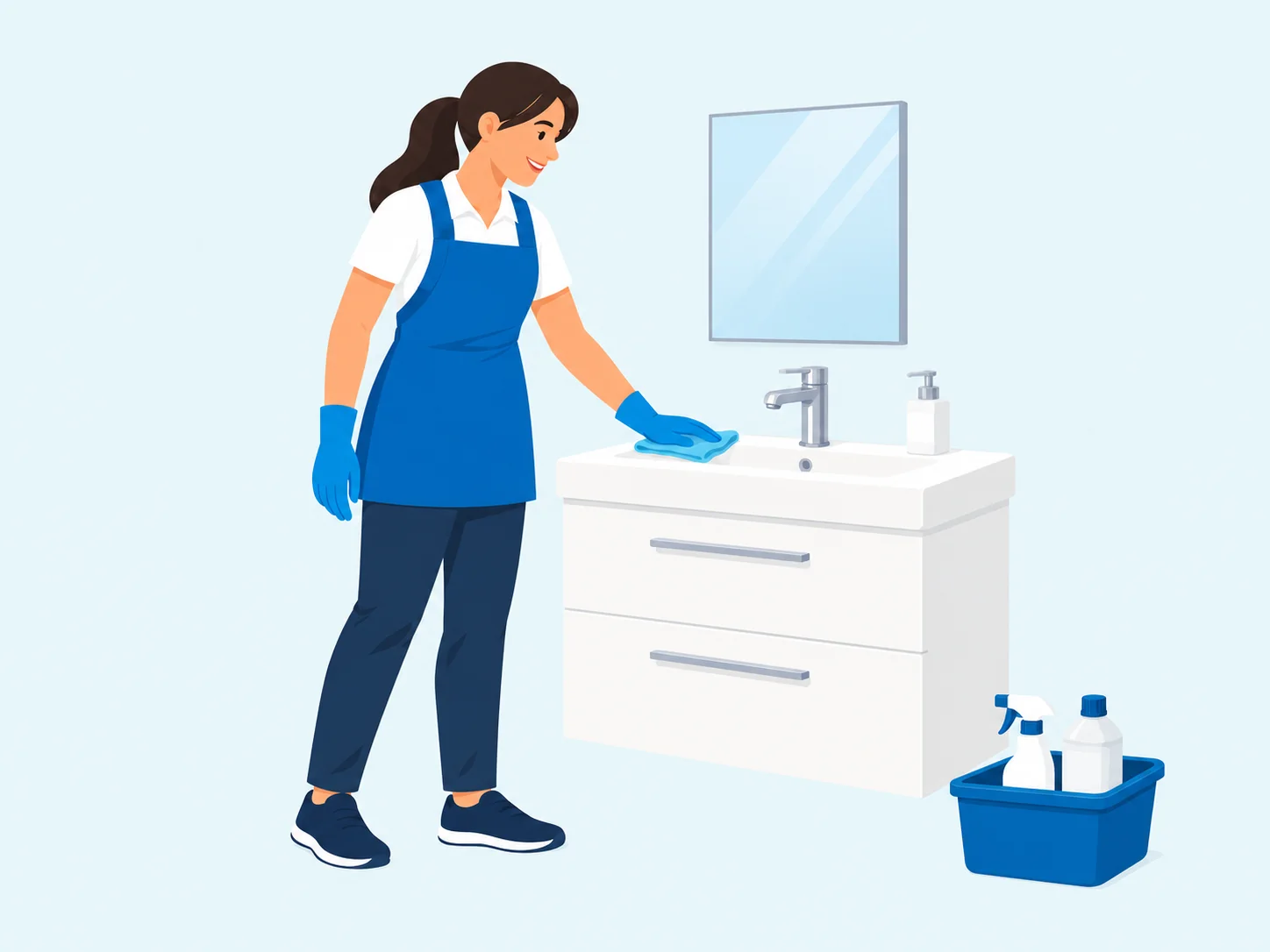
Record the service address, visit date, approximate time, room or task and what was observed. Use specific wording such as “the agreed bathroom floor was not mopped” rather than a personal label such as “the cleaner was bad”.
Say whether the issue was incomplete work, a missed priority, an unsuitable product, damage, access, privacy, communication, lateness or another defined event. Separate what you saw from what you infer.
Compare the result with the written scope
Check the accepted quote, agreement, later messages and NDIS cleaning task list. A task cannot be fairly assessed as missed if it was never included, was marked optional or could not be completed because access was unavailable.
Equally, a broad phrase such as “general clean” should not be used to dismiss a reasonable question. Ask the provider to explain how the phrase was understood and make the future task list more precise.
Preserve useful evidence without oversharing
Keep relevant photos, messages, service records, the applicable scope and notes made close to the event. Photograph only what is needed and avoid exposing unrelated people, documents, medication or private areas.
If property damage is alleged, do not clean away or alter the relevant evidence before recording it where safe. Note any pre-existing condition and the time the issue was discovered.
State the outcome you want
A provider can respond more usefully when the participant asks for a clear outcome. That may be an explanation, corrected task instruction, a service review, different product, updated communication note, invoice review or written plan for the next visit.
Do not promise a remedy on the provider’s behalf. Ask what can be done, by whom and by what agreed date, then record the response.
Use the provider’s feedback process
Send the concern to the service or complaints contact identified in the agreement, not only to the worker involved. Include enough detail to investigate and say how the participant prefers to receive a response.
The NDIA’s guide to working with providers says participants can give feedback, ask for changes and seek help from a trusted person. Raising a concern should not require surrendering unrelated privacy.
Give the provider a usable chance to respond
For an ordinary non-urgent issue, ask the provider to acknowledge the concern, explain what it found and propose next steps. If a corrective action is agreed, write down how the next service will differ.
Do not allow repeated vague promises to replace a decision. If the response does not address the issue, record what remains unresolved and move to the appropriate escalation.
Keep billing questions connected but separate
A quality concern may reveal that an invoice does not match the delivered service, but the records serve different purposes. The service record explains what happened; the invoice review addresses dates, tasks, quantities and charges.
Ask for a corrected invoice when the factual invoice details are wrong. Do not alter the participant’s record to make it fit a claim.
Know when to make a formal complaint
Use the formal NDIS cleaning complaints guide when first-line resolution is unsafe, inappropriate, unsuccessful or the concern involves rights, safety, privacy, integrity or provider conduct. The NDIS Commission receives complaints about the quality and safety of NDIS supports and services and provider or worker conduct.
The NDIA handles plan, funding, participant-portal and some provider-payment matters. Choosing the right body avoids sending a service-quality concern to a funding channel or vice versa.
Consider whether the arrangement should change
A single correctable error and a repeated failure are not the same. Review the seriousness, frequency, response, effect on the participant and whether confidence can be restored.
If the provider no longer meets the participant’s needs, use the changing-provider guide to check notice, bookings, records and access before moving.
Use a concern record
- Visit date, address and agreed task.
- What happened and when it was observed.
- Relevant evidence and privacy limits.
- Effect on the participant or home.
- Outcome requested.
- Provider acknowledgement and response.
- Action owner, review date and unresolved points.
Check the rights and complaint sources
The official sources used here were reviewed on 4 September 2026. Read the NDIS Code of Conduct, the NDIA’s service-agreement guidance and the Commission’s current complaint information. Recheck them when acting because processes can change.
Contact Smurfettes about a specific service record
Email the service address, visit date, agreed task, factual concern and requested response to info@smurfettescleaningservice.net. Do not send portal credentials or unrelated personal records. Smurfettes can review a service-specific concern; this page does not predetermine the finding or remedy.
Service overview: see the national NDIS indoor cleaning information.